

Make Iced Coffee at Home Without Equipment
Table of Contents
- Cold Brew vs. Iced Coffee: Understanding the Difference
- Best Coffee-to-Water Ratio for Cold Brew
- Step-by-Step Guide to Brewing Iced Coffee at Home
- How to Make Coffee Ice Cubes to Prevent Dilution
- How Long Does Homemade Iced Coffee Last
- Common Mistakes to Avoid
- Flavor Customization and Water Quality Tips
- Frequently Asked Questions
Last Updated: September 20, 2026
Cold Brew vs. Iced Coffee: Understanding the Difference
Cold brew and iced coffee are not the same thing. Many people use the terms interchangeably, but the brewing method creates fundamentally different flavor profiles and caffeine content.
Iced coffee is hot coffee poured over ice. Cold brew steeps coarse grounds in cold water for 12-24 hours. Hot water extracts flavors faster and more aggressively, while cold water extracts slowly, producing a smoother, less acidic cup.
At Wild Mustang Roasters, we craft our Wild Mustang Cold Brew Coffee specifically for this slow-extraction method. The coarse grind and medium roast are optimized so that when steeped in cold water, you get bold chocolate and toffee notes without the bitterness that comes from over-extraction.

Cold brew produces a concentrate lasting days in the fridge; iced coffee dilutes quickly as ice melts. Cold brew is more forgiving because slow extraction prevents over-extraction and bitterness. For how to make iced coffee at home without special equipment, both methods work.
Best Coffee-to-Water Ratio for Cold Brew
The coffee-to-water ratio determines extraction efficiency, final strength, and concentrate shelf life.
Understanding the Standard Ratio
The industry standard is 1 part coffee to 4 parts water by weight (1:4). This ratio produces a concentrate strong enough to dilute with equal parts water or milk and still taste bold, balancing flavor intensity with practicality.
At 1:4, after 18-24 hours you extract soluble solids. This is less than hot brewing, but cold brew's longer contact time and lower acidity produce a smooth, balanced concentrate.
Adjusting the Ratio for Your Preferences
For a stronger concentrate (1:3 ratio). Use one part coffee to three parts water, extracting roughly 22-25% of soluble solids. Use this if you prefer strong coffee, add lots of milk, or want concentrate to last longer. Trade-off: more coffee per batch costs more.
For a milder concentrate (1:5 ratio). Use one part coffee to five parts water, extracting roughly 15-18% of soluble solids. Use this if you prefer a gentler cup or are new to cold brew. Trade-off: the concentrate is weaker and can't be diluted as much.
How to Measure Without a Scale
Spoon method: Use 2 tablespoons of grounds per 8 ounces of water (1:4 ratio). Jar method: Fill your container one-quarter full with grounds, then add water to the top, this approximates 1:4. Weight method: Use a kitchen scale: 50 grams coffee + 200 grams water = 1:4 ratio. Scales can help remove guesswork.
Extraction and Ratio Trade-Offs
Higher ratio (1:3) reaches peak extraction sooner (16-18 hours) and produces bolder flavor. Lower ratio (1:5) requires closer to 24 hours and produces lighter flavor. Grind size affects ratio: coarser grinds need slightly higher ratios; finer grinds need lower ratios. Start with 1:4 and adjust based on taste.
Practical Recommendation
Start with 1:4 and steep for 18 hours. If too weak, move toward 1:3; if too strong, move toward 1:5. After one or two batches, you'll find your preference.
Step-by-Step Guide to Brewing Iced Coffee at Home
To make iced coffee at home without special equipment requires only basic kitchen items and patience.
Step 1: Gather Your Ingredients and Basic Supplies
You need coffee grounds, water, and a container (mason jar, pitcher, or bowl). For straining, use cheesecloth, a fine mesh strainer, paper filter, or clean dish towel. Tap water works fine; filtered water is optional. Buy whole beans if possible, freshly ground coffee extracts better than pre-ground. If you lack a grinder, ask your roaster to grind coarsely for cold brew.
Step 2: Grind Your Coffee to the Right Size
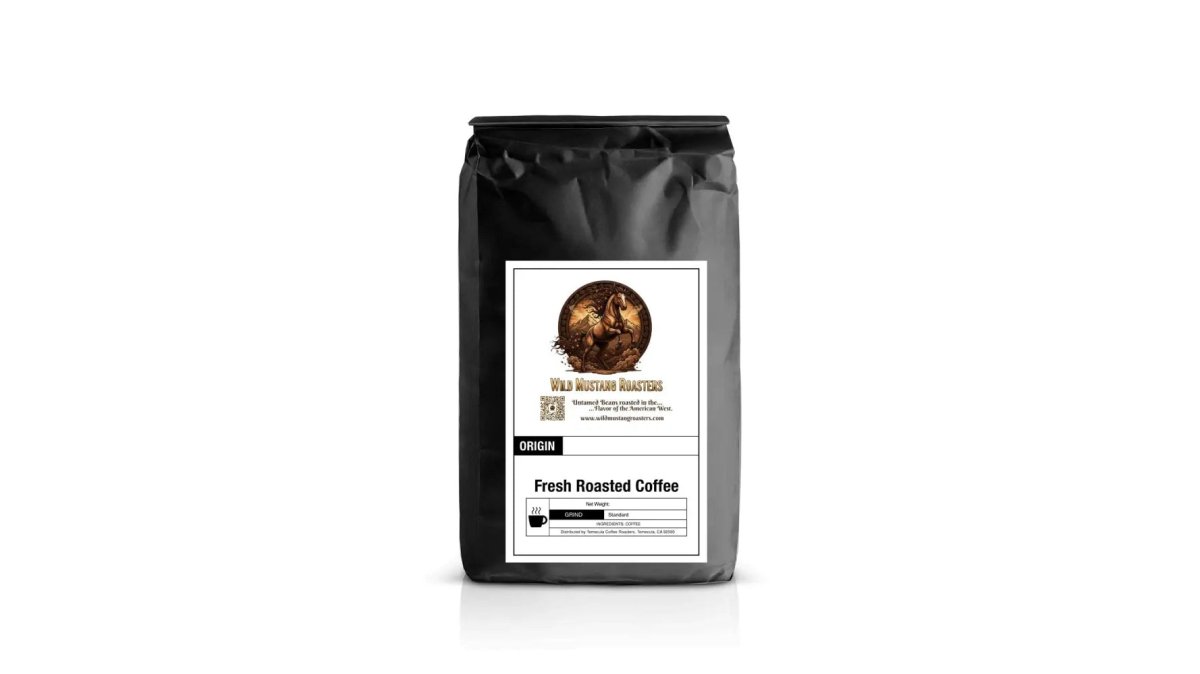
You need a coarse grind (sea salt texture, not powder). Coarse grinds slow extraction; fine grounds extract too quickly and create hard-to-strain sediment. Look for bags labeled "coarse grind" or "cold brew grind." Wild Mustang Roasters Cold Brew Coffee comes in very coarse grounds optimized for this purpose.
Step 3: Mix Coffee and Water
Pour grounds into your container and add cold water slowly while stirring. Use roughly two tablespoons of grounds per cup of water. Stir well so all grounds are wet. Cap and move to a pantry, shelf, or refrigerator. Cold brew doesn't need refrigeration during steeping; room temperature is fine.
Step 4: Steep and Extract
Cold brew steeps for 12-24 hours: 12 hours for mild concentrate, 18 hours for the sweet spot, 24 hours for bold concentrate. Beyond 24 hours, extraction plateaus. Stir once or twice if you remember, but it's not required.
Step 5: Strain Without a Machine
Place a fine mesh strainer over a clean jar and pour slowly through. For a cleaner cup, strain again through cheesecloth or a paper filter (or a clean kitchen towel). Dilute with water, milk, or cream to taste, typically one part concentrate to one part liquid, but adjust to preference.
How to Make Coffee Ice Cubes to Prevent Dilution
Make coffee ice cubes by pouring cold brew concentrate into ice cube trays and freezing 4-6 hours. Store in a freezer bag for weeks. Fill a glass with cubes and pour concentrate over them, as they melt, they release coffee, not water, keeping your drink strong. You can also freeze regular brewed coffee, though extraction is more aggressive.
How Long Does Homemade Iced Coffee Last
Cold brew concentrate lasts 10-14 days refrigerated in an airtight container; quality degrades after 10 days as oils oxidize. Diluted cold brew and hot-brewed iced coffee should be consumed within 24 hours. Store in airtight glass containers, plastic absorbs oils and imparts flavors.
Common Mistakes to Avoid
Wrong grind size: fine grounds create sediment; use coarse (sea salt texture). Not stirring: stirring once or twice helps but isn't required. Steeping too long: extract at 18-24 hours; beyond that, extraction plateaus. Over-diluting: dilute gradually to preferred strength. Wrong container: use glass, not plastic. Single strain: strain twice through cheesecloth for a cleaner cup. Stale beans: buy fresh beans (within two weeks of roast date) and grind yourself. Wild Mustang Roasters offers fresh-roasted beans.
Flavor Customization and Water Quality Tips
Water quality affects cold brew extraction and flavor. Mineral content, pH, and chlorine levels can impact how coffee compounds dissolve during the 12-24 hour steep.
Water Quality and Its Effect on Cold Brew
Mineral content: higher minerals can enhance extraction, but excessive minerals can create a chalky mouthfeel and mute bright notes. Very soft water may under-extract, leaving brew thin or flat.
Chlorine: tap water chlorine becomes pronounced during cold steeping (unlike hot brewing, where it volatilizes quickly). If your water smells of chlorine, use a pitcher filter to remove it and improve flavor.
pH balance: neutral to slightly alkaline water (6.5-7.5) extracts more evenly. If your tap water tastes clean with no chlorine smell, use it as-is. If it tastes off, consider using a pitcher filter for cleaner, brighter cold brew.
Bean Roast Profiles for Cold Extraction
Not all coffee roasts perform equally in cold brew. The roasting level changes how compounds develop and how they extract in cold water.
Light roasts (City roast and lighter) retain more origin-specific flavors, bright acidity, floral or fruity notes, and complex aromatics. In cold brew, light roasts can taste sharp or sour if over-diluted, because the acidity isn't mellowed by the heat that develops in darker roasts. Light roasts work best for cold brew if you use a slightly higher coffee-to-water ratio (1:3 instead of 1:4) and don't over-dilute when serving.
DIY Flavor Infusions Without Store-Bought Additives
Once your cold brew concentrate is ready, you can customize flavor by adding simple ingredients during or after brewing.
Frequently Asked Questions
What's the difference between cold brew and iced coffee?
Cold brew steeps coarse grounds in cold water for 12-24 hours, creating a smooth, less acidic concentrate. Iced coffee is freshly brewed hot coffee poured over ice, which cools it quickly but can taste diluted or bitter. Cold brew's slow immersion method extracts fewer acids and tannins, resulting in a naturally sweeter, fuller-bodied drink. For home brewing without equipment, cold brew offers better flavor stability and a longer shelf life.
What's the best coffee-to-water ratio for cold brew?
A standard ratio is 1 part coarse coffee grounds to 4 parts cold water by weight or volume. For a stronger concentrate, use 1 to 3. For a milder brew, try 1 to 5. If you're using a mason jar, a simple guideline is one cup of very coarse grounds to four cups of water. Adjust based on your taste preference, stronger ratios work well when you plan to dilute with milk or ice later.
How do I prevent my iced coffee from tasting watered down?
Make coffee ice cubes by freezing brewed coffee in an ice tray, then use them instead of regular ice. This keeps your drink cold without dilution as the cubes melt. Alternatively, use a higher coffee-to-water ratio during brewing, or add less regular ice and drink your iced coffee quickly. Cold brew concentrate naturally resists dilution better than iced drip coffee because of its lower water content and slower extraction process.
How long does homemade iced coffee last in the refrigerator?
Cold brew concentrate stays fresh for up to 2 weeks when stored in an airtight container in the refrigerator. Once you've diluted it with water or milk, drink it within 3-4 days for best flavor. Freshly brewed iced coffee (hot coffee poured over ice) should be consumed within 24 hours. Store in a sealed glass container away from direct light. Check for off-flavors or sediment before drinking older batches.