

Is Organic Single Origin Coffee Worth the Extra Cost?
Table of Contents
- What Makes Organic Single Origin Coffee Different
- Benefits of Organic Coffee Farming and Environmental Impact
- Single Origin Coffee Flavor Profiles and Taste Differences
- Breaking Down the Cost: Why Organic Single Origin Costs More
- How to Store Coffee Beans for Freshness and Longevity
- Is the Premium Worth It: A Practical Cost-Per-Cup Analysis
- Certification and Quality Control: What Actually Matters
- Frequently Asked Questions
Last Updated: September 21, 2026
What Makes Organic Single Origin Coffee Different
Organic single origin coffee comes from a specific geographic region and is grown without synthetic pesticides, herbicides, or fertilizers. This combination creates a fundamentally different product from commodity blends that source beans from multiple countries and farms.
The distinction matters because single origin coffees express terroir, the unique characteristics imparted by altitude, soil type, climate, and local farming practices. When you add organic certification, you're also ensuring those flavor profiles develop without chemical interference. The result is coffee with distinct tasting notes that reflect its specific origin rather than a generic, uniform taste.
Understanding this difference helps customers make informed decisions about whether the premium pricing aligns with their brewing habits and flavor preferences. Single origin coffees demand attention during brewing, they're not designed for rushed mornings or low-quality equipment. But for those willing to invest time in the ritual, the payoff is remarkable.
Benefits of Organic Coffee Farming and Environmental Impact
Organic farming methods protect soil structure and biodiversity in ways conventional agriculture cannot. Without synthetic pesticides, beneficial insects, microorganisms, and earthworms thrive in coffee plantation soil. This creates a more resilient ecosystem that requires less intervention over time.
Shade-grown coffee farms, common in organic operations, preserve native tree canopy above coffee plants. This approach maintains bird habitat, reduces water runoff, and prevents soil erosion on steep mountainside plantations. The environmental benefit is substantial: shade-grown systems can support hundreds of bird species compared to sun-exposed monocultures.
Water quality improves measurably on organic farms. Chemical runoff from conventional coffee operations contaminates local water supplies in growing regions. Organic methods eliminate this pollution, protecting both the farming communities and downstream populations who depend on clean water.
The tradeoff is real: organic farming typically yields fewer pounds of coffee per acre than conventional methods. Farmers accept lower volume in exchange for premium pricing and access to markets that prioritize sustainability. For small-holder farmers working on limited land, this economic model can mean the difference between staying viable and abandoning coffee farming entirely.
Single Origin Coffee Flavor Profiles and Taste Differences
The flavor profile of single origin coffee is determined by processing method, altitude, soil composition, and the specific coffee varieties grown in that region. A Colombian coffee grown at 1,300-1,500 meters will taste fundamentally different from an Ethiopian coffee grown at 1,700-1,900 meters, even if both are roasted to the same color.
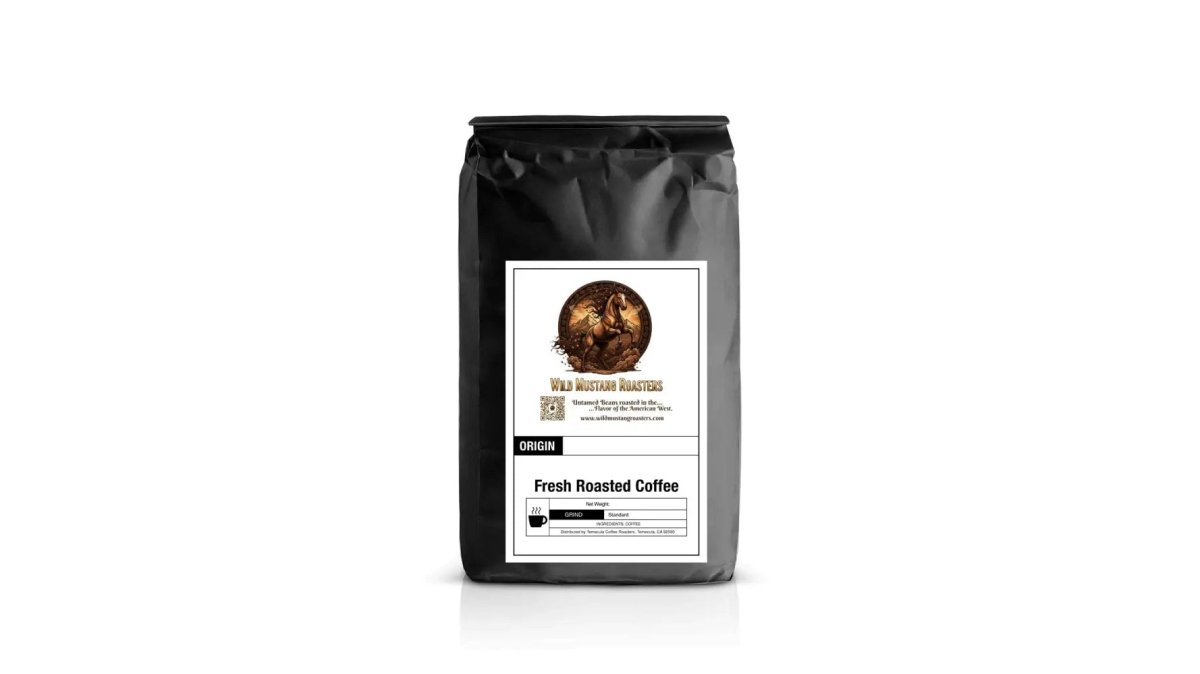
Consider the coffees in Wild Mustang Roasters' Trailblazer Single-Origin Sample Pack. The Brazil Santos ($24.99 individually) delivers cocoa and chocolate notes because of its lower altitude and pulped-natural processing. The Colombia ($24.99) from Medellin offers dried orange and berry notes due to higher elevation and full-wash processing. The Costa Rica ($24.99) displays apple, raisin, and honey sweetness from its eco-pulped, sun-dried preparation.


These differences aren't subtle or marketing language, they're measurable variations in acidity, body, and aroma that any careful taster can detect. The Ethiopia medium-light roast brings milk chocolate and caramel notes. The Honduras medium-dark roast emphasizes spice and brown sugar. Each origin tells a distinct story through flavor.
Tasting notes describe what you actually experience when the coffee hits your palate. Acidity refers to brightness and liveliness, not sourness. Body describes the weight and mouthfeel. Aroma encompasses the smell both before and after brewing. Single origin coffees typically score higher on all three dimensions because they haven't been blended to achieve a middle-ground flavor profile.
Breaking Down the Cost: Why Organic Single Origin Costs More
The price premium for organic single origin coffee reflects multiple cost factors that don't exist for commodity coffee.
Certification itself costs money. Organic farms must undergo annual inspections, maintain detailed records, and pay certification bodies to verify compliance. A small farm might spend hundreds to thousands annually on this process. Those costs get passed to buyers.
Supply chain transparency adds expense. Single origin coffee requires traceability from specific farms or cooperatives. This means smaller shipments, individualized relationships with growers, and documentation at every step. Commodity coffee uses anonymous bulk shipments where origin is unknown.
Lower yields mean higher per-pound costs. An organic farm producing 800 pounds per acre instead of 1,200 pounds must charge more per pound just to maintain the same total revenue. Buyers absorb this difference.
Labor costs are higher on organic farms. Hand-picking (common for specialty coffees) is more expensive than mechanical harvesting. Selective harvesting of only ripe cherries, standard for single origin quality, requires skilled workers paid by the day rather than by volume.
Processing methods matter significantly. Eco-pulping, natural processing on raised beds, and sun-drying all require more time and labor than industrial wet-mill processing. These methods preserve flavor but increase production costs.
Roasting small batches costs more per pound than industrial roasting. Our small-batch approach means higher per-unit roasting costs compared to massive commercial roasters processing tons daily.
| Cost Factor | Impact | Why It Matters |
|---|---|---|
| Organic certification | $500-$2,000/year | Compliance and verification fees |
| Supply chain traceability | 15-25% markup | Documentation and small-lot handling |
| Lower farm yields | 30-40% price increase | Fewer pounds per acre |
| Hand-harvesting labor | 20-30% increase | Selective ripeness picking |
| Specialty processing | 10-20% increase | Raised beds, natural drying |
| Small-batch roasting | 15-25% markup | Per-unit production costs |
The combination of these factors explains why organic single origin typically costs more per pound compared to commodity coffee.
How to Store Coffee Beans for Freshness and Longevity
Coffee begins losing flavor the moment it's roasted. Oxygen, light, heat, and moisture are the enemies of freshness. Proper storage extends the window during which your coffee tastes its best.
Whole beans stay fresh for 2-4 weeks after roasting if stored correctly. Ground coffee loses freshness in 1-2 weeks because grinding dramatically increases surface area exposed to oxygen.
Store beans in an airtight container away from direct sunlight. A opaque, sealed container protects beans from light degradation. Room temperature is ideal, avoid the refrigerator or freezer, which introduces moisture condensation every time you open the container.
The roast date matters more than the "best by" date. Coffee roasted on September 15 will taste better on September 25 than coffee roasted on August 1. Check for a visible roast date on the bag. Wild Mustang Roasters includes roast dates on all single origin coffees so you know exactly how fresh your beans are.
One-way valve bags (common for specialty coffee) allow carbon dioxide to escape while preventing oxygen from entering. These bags work well for short-term storage of 1-2 weeks.
Vacuum-sealed bags preserve freshness longest but make it harder to smell the coffee (which is part of the experience).
Is the Premium Worth It: A Practical Cost-Per-Cup Analysis
The real question isn't whether organic single origin coffee costs more. It's whether the quality justifies the price for your specific situation.
Calculate your actual cost per cup by dividing the total bag price by the number of cups you brew from it. A $24.99 bag of single origin coffee (typically 12 ounces) yields about 16-18 cups depending on your brewing method and strength preference. That's roughly $1.40-$1.55 per cup.
Compare this to commodity coffee, which costs less per cup. The premium is real: you're paying more per cup for organic single origin.
The value proposition changes based on how you brew. Espresso machines and pour-overs extract maximum flavor from premium beans, the investment pays off. French press brewing is more forgiving and works reasonably well with mid-range coffee. Automatic drip machines and instant coffee don't highlight the subtle characteristics that justify the premium.
Your morning routine matters too.
Certification and Quality Control: What Actually Matters
Organic certification is a legal designation verified by government-accredited third parties. It confirms that farming practices meet specific standards for pesticide-free production. The certification is meaningful but doesn't guarantee flavor quality.
Frequently Asked Questions
Is organic single origin coffee actually healthier than regular coffee?
Organic single origin coffee is grown without synthetic pesticides, which some people prefer for health reasons. However, both organic and conventional coffees contain beneficial compounds like chlorogenic acid and polyphenols. The real difference is in pesticide residue levels, organic farming eliminates synthetic pesticide use, but the flavor profile and caffeine content remain similar. If you're sensitive to pesticides or prefer farming practices that avoid them, organic single origin makes sense. Otherwise, the health difference is minimal.
Why is single origin coffee more expensive than blended coffee?
Single origin coffee comes from one specific farm or region, requiring careful sourcing, traceability, and quality control. Blended coffee mixes beans from multiple sources, which allows roasters to standardize flavor and absorb price fluctuations. Single origin coffees also command premium pricing because specialty-grade beans meet higher cupping scores and harvesting standards. Direct trade relationships with small farms add costs but ensure fair compensation and supply chain transparency.
How long does organic single origin coffee stay fresh after purchase?
Whole beans stay fresh for 2-4 weeks after the roast date if stored properly in an airtight container away from light, heat, and moisture. Ground coffee loses freshness faster, typically within 1-2 weeks. Check the roast date on the bag, specialty roasters like Wild Mustang Roasters ship beans within days of roasting to maximize freshness. Store beans in a cool, dark place, as moisture and temperature swings degrade flavor.
Does organic certification actually impact flavor, or is it just marketing?
Organic certification doesn't directly determine flavor, that comes from terroir, altitude, processing methods, and roast level. However, organic farming practices often emphasize shade-grown methods and biodiversity, which can enhance complexity in the cup. The real value of organic certification is traceability and pesticide-free growing. Some organic single origin coffees taste exceptional; others don't. Certification is a guarantee about farming practices, not flavor quality. Cupping scores and tasting notes matter more for predicting taste.