

Health Benefits of Oolong Tea Daily: What Research Shows
Table of Contents
- What Oolong Tea Is and How It Fits Between Green and Black Tea
- Antioxidants, Polyphenols, and Why They Matter in Oolong Tea
- Oolong Tea and Weight Loss: What the Evidence Actually Shows
- Heart Health and Cholesterol: The Cardiovascular Case for Daily Drinking
- Blood Sugar, Digestion, and Inflammation: Three More Potential Benefits
- Oolong Tea Caffeine Content and Daily Consumption Guidelines
- Oolong Tea Side Effects and Safety Considerations
- How Much Oolong Tea Per Day Is Optimal for Health
- Frequently Asked Questions
Last Updated: October 7, 2026
What Oolong Tea Is and How It Fits Between Green and Black Tea
Oolong tea is a partially oxidized tea that sits between the fresh, vegetal character of green tea and the deep, strong profile of black tea. That positioning makes oolong tea health benefits interesting, since it inherits qualities from both ends of the oxidation spectrum while developing its own flavor compounds and bioactive molecules.

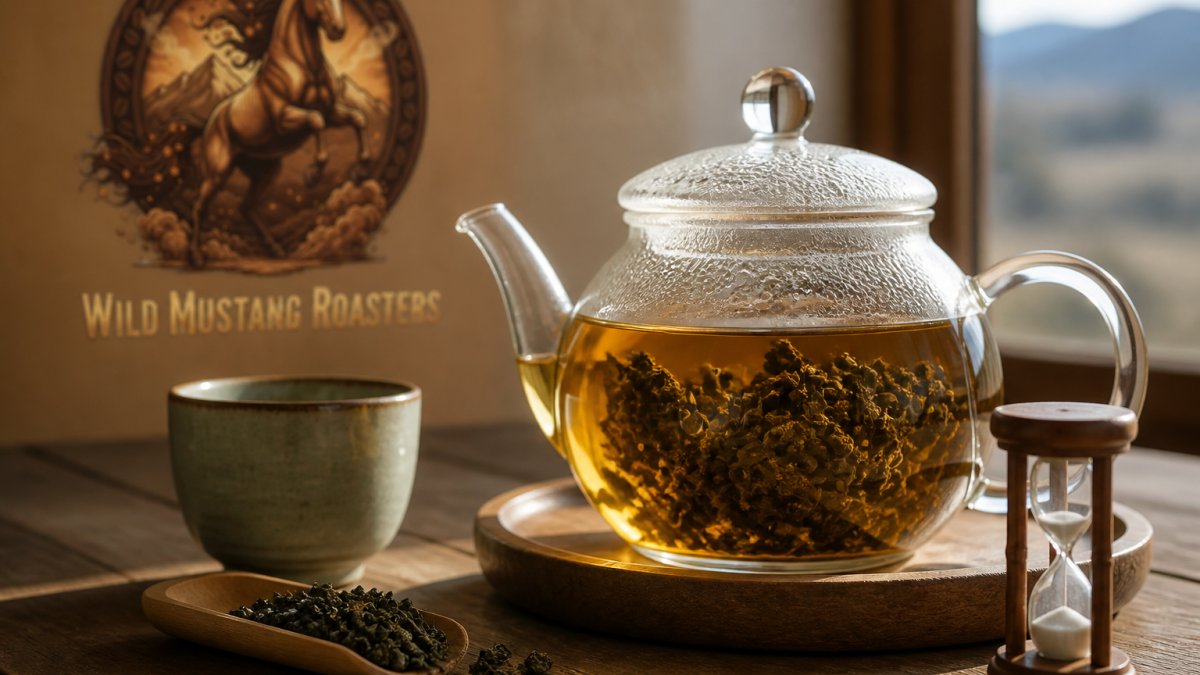
The oxidation process sets oolong apart. Unlike green tea, heated immediately after harvest to prevent oxidation, or black tea, which is fully oxidized, oolong leaves are allowed to oxidize between 20 and 80 percent. They are rolled or twisted, exposed to air in controlled conditions, then fired to halt the process, yielding a complex tea with floral notes, fruity undertones, and a smooth mouthfeel.
Oxidation level influences which compounds dominate the final cup. More oxidized oolongs develop theaflavins and thearubigins (also found in black tea), while less oxidized varieties retain more catechins and polyphenols similar to green tea. This biochemical flexibility is why oolong is often called a bridge between the two.
Antioxidants, Polyphenols, and Why They Matter in Oolong Tea
The health appeal of oolong tea centers on its polyphenols, plant compounds that act as antioxidants. These include catechins, theaflavins, and other molecules that neutralize free radicals, the unstable atoms implicated in aging and cellular stress.
What makes oolong distinctive is its range of polyphenol types. A less oxidized oolong is richer in catechins, the antioxidants celebrated in green tea, while a more oxidized oolong develops theaflavins and thearubigins, which give black tea its color and some of its purported benefits.
Drinking oolong tea daily supplies a steady source of polyphenols your body uses to manage oxidative stress, but whether this translates to measurable health outcomes is less clear. Laboratory studies consistently show antioxidant activity, yet human studies are smaller, less conclusive, and often use extract rather than brewed tea.
Oolong Tea and Weight Loss: What the Evidence Actually Shows
Claims that oolong tea supports weight loss appear frequently in marketing. The basis is real: oolong contains caffeine and compounds like EGCG (epigallocatechin gallate) that some research suggests may increase fat oxidation and thermogenesis.
However, human evidence is limited. A few small studies found slight reductions in body weight or body fat over weeks or months, but effects are typically small and inconsistent. Most use oolong extract rather than brewed tea, and many don't control for diet and exercise.
The realistic expectation: oolong tea is not a weight-loss solution on its own. Alongside a calorie-controlled diet and consistent exercise, it may provide a small metabolic boost, and it's a low-calorie, antioxidant-rich beverage that can replace sugary drinks.
Heart Health and Cholesterol: The Cardiovascular Case for Daily Drinking
Cardiovascular health is one area where oolong tea has attracted genuine research attention. Several studies, particularly from Asia, have examined associations between oolong consumption and markers like cholesterol, blood pressure, and heart disease risk, with the proposed mechanism involving oolong's polyphenols improving endothelial function and reducing inflammation.
Some research links regular oolong consumption to lower LDL cholesterol (the "bad" cholesterol) and improved cholesterol ratios, while other studies point to modest blood pressure reductions. These associations are encouraging but come with caveats: most studies are observational, sample sizes are small, and the populations studied may differ from yours.
The current evidence suggests oolong tea may support cardiovascular health as part of a broader healthy lifestyle, but it is not a substitute for medical treatment or proven interventions like exercise and a heart-healthy diet. If you have heart disease, high cholesterol, or take blood pressure medication, discuss oolong consumption with your healthcare provider.
Blood Sugar, Digestion, and Inflammation: Three More Potential Benefits
Beyond weight and heart health, oolong tea is sometimes discussed for blood sugar regulation, digestive support, and anti-inflammatory effects. The biochemical logic is sound: polyphenols can slow carbohydrate absorption, support gut bacteria, and reduce inflammatory markers in laboratory settings.
For blood sugar, a few small studies found oolong consumption associated with improved glucose control or insulin sensitivity in people with or at risk for type 2 diabetes, but these studies are limited in size and duration and effect sizes are modest. If you have diabetes or prediabetes, oolong tea might be a reasonable addition to your routine, but it should not replace medical management.
Digestion and inflammation are even more speculative. Anecdotal reports suggest oolong can soothe the digestive system or reduce bloating, and traditional medicine has used tea for these purposes for centuries, but modern research has not established clear mechanisms or consistent benefits in humans.
The honest assessment: oolong tea is a pleasant, antioxidant-rich beverage that may offer modest support for blood sugar management and digestive comfort as part of a healthy lifestyle. It is not a treatment for diabetes, inflammatory bowel disease, or digestive disorders.
Oolong Tea Caffeine Content and Daily Consumption Guidelines
Caffeine is a key practical consideration for daily oolong drinking. Unlike herbal infusions, true tea (including oolong) contains caffeine because it comes from the Camellia sinensis plant. Content varies by oxidation level, leaf grade, and brewing method, but a typical 8-ounce cup contains 30 to 50 milligrams, less than coffee (95-200 mg per cup) but more than green tea.
For most adults, the FDA considers 400 milligrams of caffeine per day safe, meaning 8 to 13 cups of oolong daily stays within that guideline. However, individual sensitivity varies widely: some people experience jitters, anxiety, or sleep disruption at much lower intakes.
If you're switching from coffee to oolong to reduce caffeine while keeping a daily ritual, oolong is a reasonable choice, providing enough caffeine for mild mental clarity without coffee's intensity. If you're sensitive to caffeine or struggle with anxiety, a less oxidized oolong, a smaller serving, or herbal blends may work better.
Oolong tea caffeine content also matters if you take certain medications. Caffeine can interact with some drugs, including certain heart and psychiatric medications, so check with your healthcare provider.
| Oolong Tea Type | Oxidation Level | Approximate Caffeine per 8 oz | Best For |
|---|---|---|---|
| Light oolong | 20-30% | 30-40 mg | Afternoon drinking, caffeine-sensitive people |
| Medium oolong | 40-60% | 40-50 mg | Daily drinking, balanced energy |
| Dark oolong | 70-80% | 45-55 mg | Morning ritual, higher caffeine tolerance |
Oolong Tea Side Effects and Safety Considerations
For most people, oolong tea is safe in moderate amounts, but certain groups should be cautious. Pregnant and nursing women are often advised to limit caffeine, and oolong contributes to total daily intake. People with anxiety or panic disorders may find caffeine exacerbates symptoms. Those with iron-deficiency anemia should know that tannins in tea can reduce iron absorption from food, though this is mainly a concern with very high consumption.
Some people experience digestive upset from tea, particularly on an empty stomach. If you notice stomach discomfort, nausea, or acid reflux after drinking oolong, try having it with food or reducing your intake. Fluoride is naturally present in tea leaves, and very high consumption over many years could theoretically contribute to excessive fluoride intake, though this is rare.
Medication interactions are worth considering. Caffeine can affect the absorption or efficacy of certain drugs, and some tea compounds may interact with blood thinners or other medications. If you take regular medication, mention your oolong tea drinking to your doctor or pharmacist.
How Much Oolong Tea Per Day Is Optimal for Health
The question of "how much oolong tea per day" has no one-size-fits-all answer, since it depends on your caffeine tolerance, health status, and goals. Still, some practical guidance emerges from research and common practice.
Most studies examining health benefits used 1 to 3 cups of oolong tea daily, or equivalent amounts of extract, a range that appears safe and reasonable for most adults. If you're new to oolong or sensitive to caffeine, start with 1 cup per day and increase to 2 or 3 cups if you tolerate it well.
Timing matters. Morning or early afternoon drinking lets you benefit from mild energy or focus effects without disrupting sleep. For evening oolong, choose a less oxidized variety or a smaller cup, and stop caffeine by mid-afternoon.
Consistency matters more than quantity. Drinking 2 cups of oolong tea daily is likely to have more effect than 6 cups once a week, so if you're interested in potential health benefits, build oolong into a daily routine.
Quality and brewing matter. A properly brewed cup of loose-leaf oolong contains more polyphenols than a weak tea bag steep. Steep 3 to 5 minutes in water around 195 to 205 degrees Fahrenheit, and resteep the same leaves multiple times, since later infusions can be equally flavorful and beneficial.
At Wild Mustang Roasters, we believe that the ritual of daily tea drinking is as valuable as the tea itself. Our curated selection of premium teas, including options like our Jasmine Tea and Moroccan Mint Green Tea, are chosen for their freshness and character, designed to make your daily tea ritual something worth savoring.

The health benefits of oolong tea are real but modest, best understood as part of a larger picture of healthy living rather than a standalone solution. Drinking oolong tea daily can be a meaningful part of your routine, a low-calorie, antioxidant-rich beverage that supports cardiovascular health, may help with blood sugar management, and offers a moment of intentionality in your day.
Frequently Asked Questions
What happens if you drink oolong tea every day?
Daily oolong tea consumption may support metabolism, heart health, and digestion through its polyphenol and antioxidant content. Most research suggests 2-3 cups daily is safe for healthy adults. However, effects vary by individual; some people experience improved energy and focus, while others may notice sleep disruption from caffeine. Quality matters, loose-leaf oolong like our selections provides a rich experience. Start with one cup daily and adjust based on your tolerance and sleep patterns.
How much oolong tea per day is safe to drink?
Most health research supports 2-3 cups of oolong tea daily as a safe intake for adults. This typically provides 30-50 mg of caffeine per cup, depending on steep time and water temperature. If you're sensitive to caffeine, pregnant, or taking medications, consult your healthcare provider first. Unsweetened loose-leaf oolong is preferable to bottled or sweetened versions, which add unnecessary sugar and reduce the health benefits. Start conservatively and increase gradually to assess your individual response.
Does oolong tea help with weight loss?
Oolong tea contains compounds that may modestly support metabolism and fat oxidation, but it is not a weight-loss solution on its own. Human studies show mixed results, with some suggesting a modest impact when combined with diet and exercise, while others show minimal impact. The catechins and caffeine in oolong may increase energy expenditure slightly. For realistic expectations: oolong supports a healthy lifestyle but won't replace calorie balance or physical activity. Drinking unsweetened oolong as part of your daily routine is beneficial; sweetened versions negate potential metabolic advantages.
What are the side effects of drinking oolong tea?
Common side effects include sleep disruption, jitters, or anxiety from caffeine, especially in sensitive individuals or when consumed after 3 p.m. Excessive intake (more than 5-6 cups daily) may cause headaches, stomach upset, or iron absorption issues. Oolong contains fluoride naturally; very high consumption over years could theoretically affect bone health, though this is rare in normal daily use. If you experience sleep problems, reduce intake or switch to morning-only consumption. Pregnant individuals and those on certain medications should check with their doctor before regular use.