

Cowboy Coffee Alternatives for Coffee Lovers
Why Coffee Lovers Skip Traditional Cowboy Coffee
Traditional cowboy coffee, boiling grounds directly in water over an open flame, delivers bold flavor and authentic frontier spirit, but leaves fine particles suspended in every sip, creates extraction inconsistency, and offers no control over water temperature or steeping time. Modern coffee enthusiasts find the gritty, sediment-heavy mouthfeel hard to justify. Better brewing methods now capture the same rugged aesthetic and bold character without the grit.
Wild Mustang Roasters helps outdoor enthusiasts find brewing solutions that honor the Western coffee tradition while delivering the clean, flavorful cups today's palates expect. The good news: you don't have to choose between authenticity and taste. The alternatives we'll cover here eliminate sediment, improve extraction, and often brew faster than traditional methods, all while maintaining the spirit of campfire coffee culture.
French Press: The Cleanest Cowboy Coffee Alternative
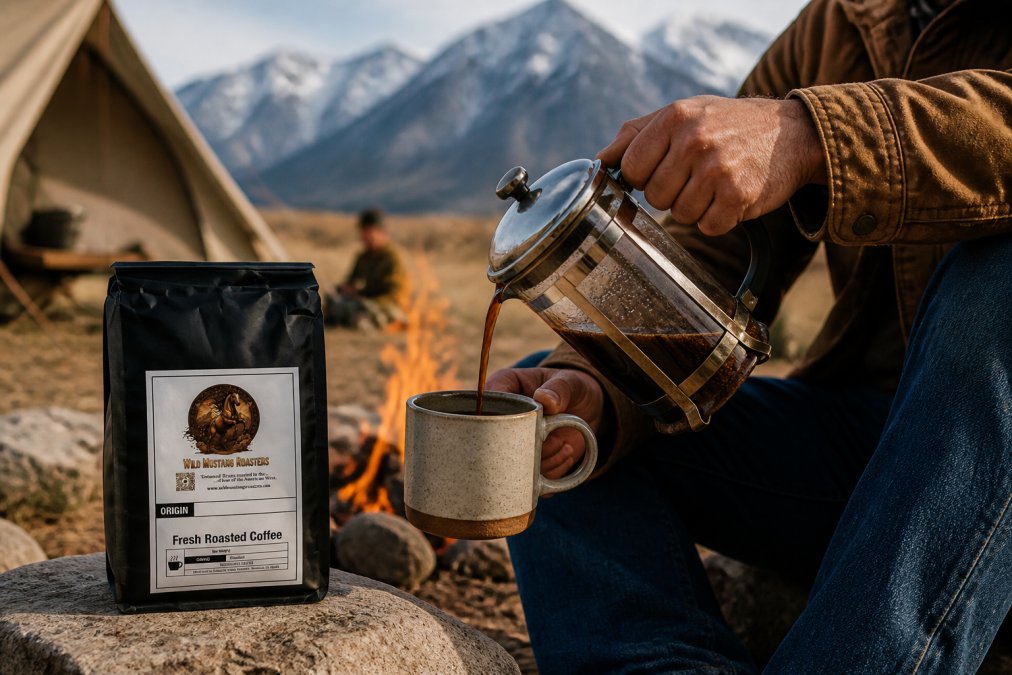
A French press solves the sediment problem while preserving the immersion brewing method that gives cowboy coffee its bold character. Instead of leaving grounds floating freely in boiling water, the press contains them beneath a metal filter, separating liquid from particles cleanly. The immersion process steeps coarse grounds in hot water for 4-5 minutes, allowing full extraction of oils and flavor compounds. Water temperature matters: aim for 195-205°F for optimal extraction without bitterness.
Wild Mustang Roasters' 34oz French Press (Copper/Stainless Steel) is purpose-built for this at $59.99. The borosilicate glass carafe withstands direct heat, the stainless steel frame keeps it stable on uneven terrain, and the dual filter screens prevent sediment escape. You get the same bold flavor profile without the mouthfeel problem. Cleanup is simple: rinse the carafe and plunge, then dispose of grounds.

One honest limitation: the glass carafe breaks if dropped on rocks. For true backcountry work, a metal-bodied alternative may be worth considering. But for car camping, cabin trips, or home use, the French press remains the cleanest way to brew cowboy-style coffee.
Cold Brew: Smooth, Less Bitter, Built for Outdoor Adventures
Cold brew eliminates bitterness entirely by steeping coarse grounds in cold or room-temperature water for 12-24 hours. The extended time extracts flavor compounds without activating the oils that create harsh, bitter notes. The result is a concentrate that tastes smooth, naturally sweet, and ready to drink over ice or diluted with hot water.

This method works beautifully for outdoor enthusiasts because it requires no heat source, no precise temperature control, and minimal equipment. A mason jar, coarse grounds, and time, that's it. You can brew cold concentrate at home before a trip, then reheat it on the trail or drink it cold. The concentrate stays fresh for two weeks refrigerated, making it ideal for extended camping or backpacking.
Wild Mustang Roasters offers two cold brew blends. The Cold Brew Coffee (Dark Roast) at $27.95 features very coarse grounds and dark French roast character. The Wild Mustang Cold Brew Coffee at $27.95 offers a medium roast with chocolate, toffee, and floral tones that shine when served cold.
Cold brew tastes smoother, naturally sweeter, and cleaner on the palate than hot-brewed cowboy coffee. There's no bitterness, no grit, and no sediment. The trade-off is time: you're planning ahead rather than brewing on demand.
Best Camping Coffee Makers That Eliminate Sediment
Beyond French press and cold brew, several other brewing methods deliver clean coffee without sediment. A percolator boils water but uses internal chambers to filter grounds automatically. A Moka pot (stovetop espresso maker) produces concentrated coffee through steam pressure, requiring no electricity and working over any heat source. A pour-over system with a fine mesh or paper filter gives you control over water temperature and brew time while eliminating sediment entirely.
The real differentiator is whether a method separates liquid from grounds effectively. A French press, pour-over, or percolator all solve this. A metal mesh filter removes most particles. A paper filter removes nearly all of them.
For camping specifically, the French press remains a good balance of durability, brew quality, and ease of use. It handles rough conditions, produces excellent coffee, and cleans up easily. For hiking to remote camps where weight is critical, a lightweight pour-over kit with disposable filters beats everything else.
How to Keep Coffee Fresh at Home and on the Trail
Coffee freshness matters more than brewing method. Stale grounds or beans produce flat, bitter coffee regardless of technique. Check the roast date on any coffee you buy. Optimal flavor peaks 5-14 days after roasting. Coffee remains acceptable for 4 weeks, but degrades noticeably after that. Wild Mustang Roasters prints roast dates on every bag because freshness directly impacts taste.
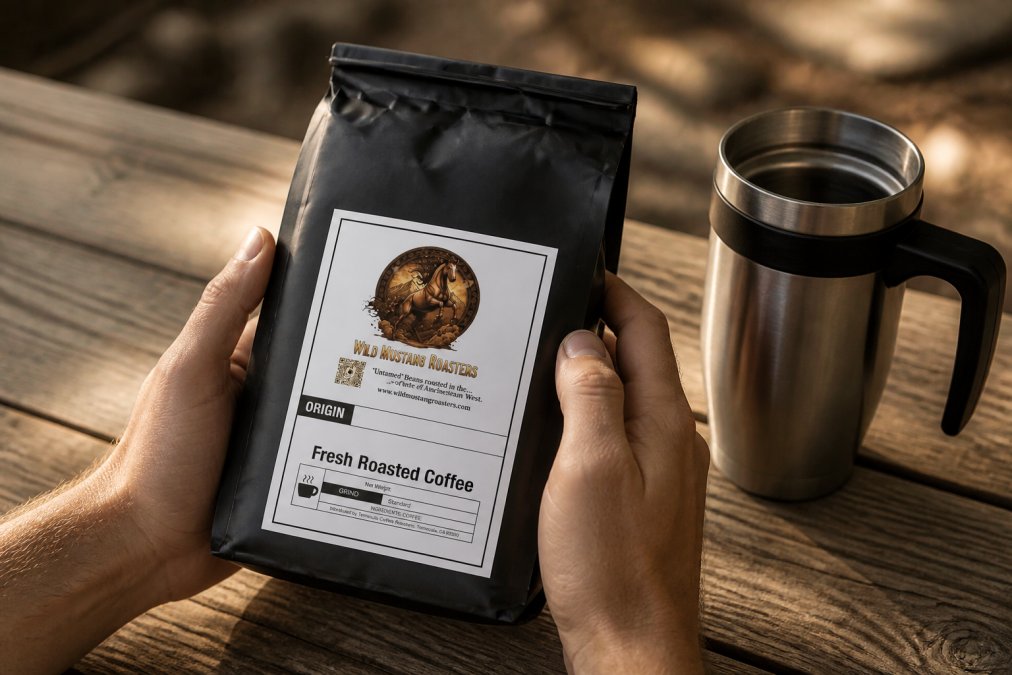
Keep beans in an airtight container away from light, heat, and moisture. Whole beans stay fresh longer than ground coffee because grinding exposes more surface area to oxygen. On the trail, keep coffee in its original bag or transfer it to a small airtight container. Grind immediately before brewing using a burr grinder and aim for a coarse consistency.
For trips longer than a few days, buy multiple small bags rather than one large bag. A fresh bag tastes noticeably better than one that's been open for a week.
Modern Ultralight Alternatives for Backpackers
Backpackers face unique constraints: weight, space, and the need to brew without bulky equipment. For this audience, instant coffee and ultralight pour-over systems dominate for good reason.
Wild Mustang Roasters' Wild Mustang Instant Coffee at $20.00 delivers 30 servings in a 3oz resealable pouch, essentially weightless compared to whole beans or ground coffee. Just add hot water and stir. Modern instant coffee uses freeze-dried or spray-dried whole coffee, preserving more flavor compounds than old methods.
Lightweight pour-over cones weigh under an ounce and pack flat. Pair one with disposable paper filters and you have a complete brewing system that weighs almost nothing. The method is precise, produces clean coffee, and requires minimal cleanup.
Single-serve cold brew packets are pre-measured packets of coarse grounds you steep in cold water for 12 hours, then strain through a built-in filter. They weigh almost nothing, require no equipment, and produce excellent cold brew concentrate.
Health and Dietary Alternatives to Traditional Brewing
Not everyone tolerates regular coffee well. Some people experience jitters, anxiety, or digestive issues from caffeine. Lower-caffeine coffee options include half-caf blends and naturally low-caffeine varieties like robusta processed as light roast. These preserve coffee flavor while reducing caffeine intake.
Herbal coffee substitutes mimic the ritual and warmth of coffee without the caffeine. Chicory root, roasted barley, and dandelion root create dark, bitter brews that feel similar to coffee in a cup.
For people with jitters, brewing method matters as much as the coffee itself. Cold brew produces naturally smoother, less acidic coffee than hot methods. A French press extracts more oils than a pour-over, which some people find easier on their stomach. Experimenting with brew ratio, water temperature, and extraction time often solves digestive issues without abandoning coffee entirely.
Wild Mustang Roasters focuses on high-quality coffee and tea products that deliver clean flavor without the harshness that triggers sensitivities in many drinkers.
Conclusion: Choose Your Cowboy Coffee Alternative
Traditional cowboy coffee captures something real: the romance of brewing over an open flame, the bold flavors that emerge from simple technique, the connection to frontier culture. But sediment, inconsistency, and the inability to control extraction have pushed most modern coffee lovers toward better methods.
The cowboy coffee alternatives covered here preserve what makes cowboy coffee special, bold flavor, outdoor authenticity, minimal equipment, while solving its actual problems. A French press delivers cleaner coffee without sacrificing character. Cold brew eliminates bitterness entirely. Instant coffee offers ultralight convenience for backpackers. Pour-overs give precision-focused brewers complete control.
Your choice depends on context. At home or car camp, a French press from Wild Mustang Roasters offers a good balance of quality, durability, and ease. On multiday backpacking trips, instant coffee or cold brew concentrate wins. For weekend trips where you want excellent coffee without compromise, a pour-over system with fresh grounds beats everything else.
What unites all these alternatives is freshness. Buy coffee with a recent roast date. Grind immediately before brewing. Store in airtight containers away from light and heat. Pair fresh coffee with the right brewing method for your situation, and you'll taste the difference immediately.
Start with Wild Mustang Roasters' Cowboy Blended Coffee at $27.95, a dark and medium blend with cocoa, caramel, and vanilla notes that shines in any brewing method. Subscribe to our emails to receive fresh roasts matched to your preferred brewing technique, seasonal recommendations, and exclusive access to small-batch releases that capture the bold spirit of the frontier without compromise.

The real difference between mediocre trail coffee and excellent trail coffee isn't adventure or authenticity, it's freshness and method. Choose a brewing approach that fits your situation, invest in fresh beans with a recent roast date, and taste why coffee lovers are moving beyond cowboy coffee altogether.
| Brewing Method | Sediment Level | Setup Time | Equipment Weight | Best For |
|---|---|---|---|---|
| Traditional Cowboy | High (gritty) | 5 min | Minimal | Authentic experience, no gear |
| French Press | Very Low (clean) | 5 min | 1-2 lbs | Home, car camp, cabin |
| Cold Brew | None (filtered) | 12-24 hrs | Minimal | Planning ahead, smooth taste |
| Pour-Over | Very Low (filtered) | 3 min | Under 1 lb | Precision, lightweight trips |
| Instant Coffee | None | 1 min | 0.2 lbs | Ultralight backpacking |
| Percolator | Low (mostly filtered) | 5 min | 1-2 lbs | Durable, open-flame brewing |
According to the Specialty Coffee Association's brewing standards, water temperature between 195-205°F produces optimal extraction for immersion methods, which is why French press and cowboy coffee methods require precise heat control to avoid over-extraction and bitterness.
Research on coffee freshness and flavor degradation from the Journal of Food Science shows that coffee peaks in flavor 5-14 days after roasting, then begins losing aromatic compounds at a measurable rate, making roast date the single most important factor in coffee quality after grinding.
Studies examining caffeine content in cold brew versus hot-brewed coffee from the National Coffee Association found that cold brewing extracts fewer caffeine compounds due to lower water temperatures, resulting in naturally lower-caffeine beverages without sacrificing flavor or body.
Frequently Asked Questions
Q: How is cowboy coffee different from regular coffee?
A: Cowboy coffee is brewed by boiling grounds directly in water over an open flame, then settling the grounds by pouring eggshells or cold water into the pot. This method produces high sediment and grit, bitter extraction from prolonged boiling, and unpredictable water temperature. Regular coffee uses controlled brewing temperatures, filters, or immersion methods that extract flavor without excessive bitterness or sediment. Most coffee lovers prefer alternatives because they deliver cleaner cups with better aroma and mouthfeel.
Q: What's the best cowboy coffee alternative that still tastes like coffee?
A: French press brewing offers the closest authentic experience to cowboy coffee while eliminating grit. It uses immersion brewing with coarse grounds, steeping for 4 minutes, then pressing to separate grounds from the liquid. Cold brew is another excellent alternative, it reduces bitterness through slow extraction and works exceptionally well for outdoor adventures. Both methods preserve the bold, full-bodied character coffee lovers expect while delivering a clean cup without the sediment and harsh taste of traditional cowboy coffee.
Q: How do you make coffee while camping without grounds in your cup?
A: Use a French press with coarse grounds and a metal filter screen, or try pour-over with a collapsible dripper and paper filters. Cold brew concentrate prepared at home eliminates the need for brewing equipment entirely, just add hot or cold water at camp. Instant coffee ($20.00 for 30 servings) requires only hot water and no cleanup. A percolator with a fine mesh basket also reduces sediment compared to cowboy coffee. For ultralight backpacking, instant or cold brew concentrate are your cleanest, lightest options.
Q: How do you keep coffee fresh at home and maintain quality on the trail?
A: Store whole beans in an airtight container away from light, heat, and moisture, they stay fresh for 2-4 weeks after roasting. Check the roast date on the bag before purchasing. Grind beans just before brewing to maximize aroma and flavor extraction. For trail use, pre-grind coarse grounds and seal them in a resealable pouch, or bring instant coffee in individual packets. Cold brew concentrate stays fresh for 2 weeks refrigerated and travels well in a sealed container, making it ideal for extended camping trips.
Q: Is cowboy coffee healthier than other brewing methods?
A: Cowboy coffee and most other brewing methods deliver similar caffeine content and health benefits. However, extended boiling can increase certain compounds that may increase cholesterol slightly in some individuals. French press and immersion brewing extract more beneficial compounds like chlorogenic acid. Instant coffee offers convenience without sacrificing nutrition. If you have caffeine sensitivity or jitters, cold brew naturally reduces certain acidic compounds and feels gentler on the stomach. Choose based on taste preference and how your body responds, all methods deliver coffee's antioxidants and health benefits.