

Coffee Alternatives for Morning Energy: 7 Options
Table of Contents
- Why People Switch From Coffee
- Matcha vs Coffee for Energy: Which Delivers Better Focus
- Black Tea and Chai: Sustained Energy Without the Crash
- Green Tea and Herbal Blends for Calm Alertness
- Benefits of Chicory Root Coffee and Other Caffeine-Free Options
- How to Transition Away From Caffeine Smoothly
- Taste Profile Comparison and Selection Guide
- Frequently Asked Questions
Last Updated: September 30, 2026
Why People Switch From Coffee
Many people reach a point where their morning coffee ritual stops working. The caffeine jitters, the afternoon crash, the anxiety that creeps in by midday, these are real experiences that push coffee drinkers to explore alternatives to coffee for morning energy. Some discover they're simply caffeine-sensitive. Others find that their tolerance has built up so high that a regular cup barely registers. Still others want sustained energy without the spike-and-crash pattern that leaves them exhausted by 2 p.m.

The shift away from coffee isn't about rejecting caffeine entirely. It's about finding a better match between what your body needs and what you're actually drinking. A sustainable energy source that doesn't leave you wired, then depleted. Something that supports focus and alertness without the jitters or the subsequent energy slump.
This guide from Wild Mustang Roasters covers the most practical coffee alternatives for energy, including how to transition smoothly if you've been a long-time coffee drinker. We'll explore options that deliver genuine mental clarity and sustained energy, compare taste profiles so you know what you're getting into, and show you why some alternatives work better than others depending on your specific needs.
Matcha vs Coffee for Energy: Which Delivers Better Focus
Matcha delivers sustained energy without the crash, making it one of the most effective alternatives to coffee for morning energy. Unlike coffee, which floods your system with caffeine all at once, matcha releases its caffeine slowly alongside L-theanine, an amino acid that promotes calm focus. This combination means you get alertness without the jittery feeling that sends many coffee drinkers searching for something gentler.
The difference comes down to how your body processes each drink. Coffee's caffeine hits fast and hard, peaking within 30-60 minutes. Your cortisol levels spike, your heart rate climbs, and mental clarity feels sharp but restless. Matcha's caffeine release is staggered over 4-6 hours because of the L-theanine interaction, which means sustained energy without the dramatic peaks and valleys.
One practical consideration: matcha requires more preparation than coffee. If you're someone who needs coffee ready in 90 seconds, matcha might feel like friction at first. But many people find the ritual itself becomes part of the appeal, a deliberate pause instead of a rushed grab.
Wild Mustang Roasters' Matcha Tea is crafted for traditional preparation and mindful daily rituals, delivering a smooth character that works equally well whisked into a classic cup or blended into a creamy latte. It's designed for slowing down and making everyday rituals feel intentional.

Black Tea and Chai: Sustained Energy Without the Crash
Black tea delivers real caffeine, roughly half what coffee contains per cup, but the slower absorption means your energy builds gradually instead of spiking. Chai, specifically Masala Chai with its warming spices, adds digestive support and a richer flavor profile that makes the lower caffeine feel like a feature, not a compromise.
The sustained energy from black tea comes from the same principle as matcha: slower caffeine release. Your body processes it over a longer window, so the afternoon slump is gentler or disappears entirely. For people transitioning away from coffee, black tea often feels like the most natural first step because it still tastes like a "real" morning beverage.
Chai takes this further by combining black tea with spices like cinnamon, cardamom, and ginger. These aren't just flavor additions, they support metabolic function and can reduce the blood sugar volatility that contributes to energy crashes. Many people find chai more satisfying than straight black tea because the spices create a fuller, warmer experience.
Wild Mustang Roasters' English Breakfast Tea is a blend of African and Indian teas with a smooth, malty character that stands strong with milk or sugar. For those seeking bold spice and warmth, the Masala Chai Tea brings full-bodied, aromatic intensity that works as a traditional chai with milk or straight when you want something bold and invigorating.

Brewing black tea properly makes a real difference. The investment in loose-leaf tea pays off in taste and in how your body responds to the caffeine.
Green Tea and Herbal Blends for Calm Alertness
Green tea occupies a middle ground between matcha and black tea. It contains less caffeine than black tea but more than most herbal options, and it delivers gentle mental clarity without the jittery edge that coffee creates.
Herbal blends extend the range of what "morning energy" can mean. You're not always chasing maximum caffeine. Sometimes you want calm alertness, the kind of focus that comes from a clear mind rather than a stimulated one.
Moroccan Mint Green Tea combines the earthy depth of green tea with the crisp lift of mint, creating a clean, balanced cup that refreshes without overwhelming. Jasmine Tea pairs hand-picked jasmine blossoms with green tea for a silky, medium-bodied blend that supports multiple steepings and works equally well in slow morning rituals or afternoon resets.
These options work best for people who've already reduced their caffeine tolerance or who prefer mental clarity over pure energy boost. If you're coming from heavy coffee consumption, green tea alone might feel too subtle at first.
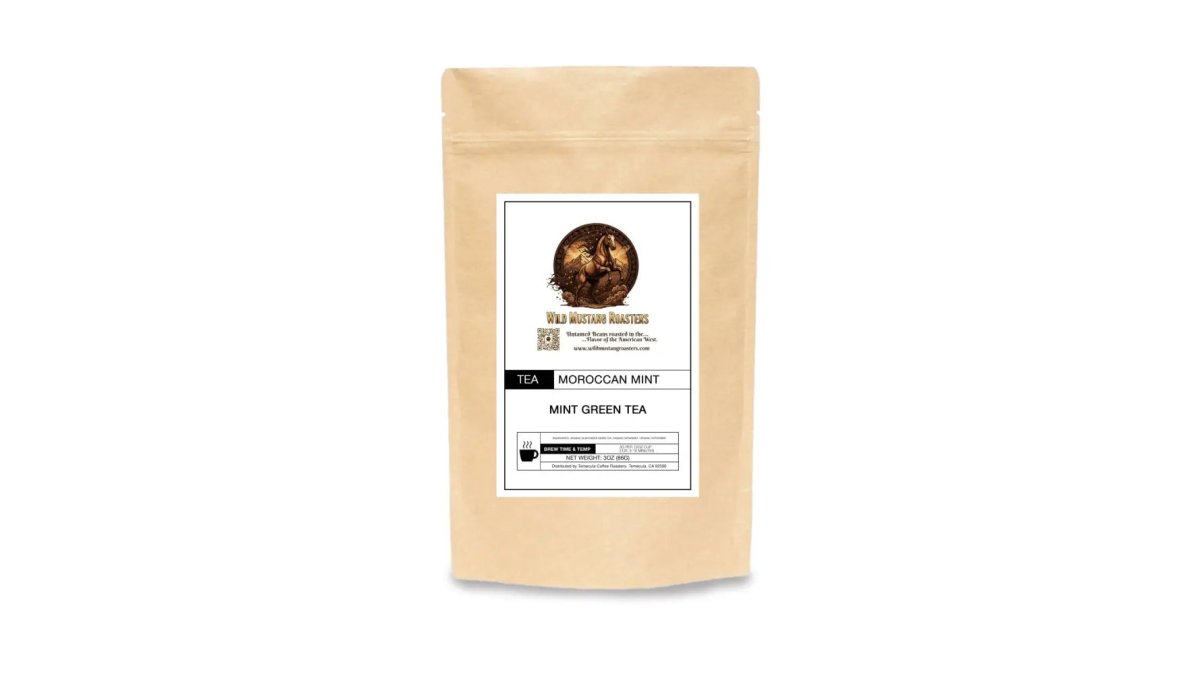
Wild Mustang Roasters' Moroccan Mint Green Tea brings modern Western sensibility to a timeless favorite, while Jasmine Tea delivers fruity floral flavors layered over a smooth green tea base, sophisticated yet approachable for modern sipping.
Benefits of Chicory Root Coffee and Other Caffeine-Free Options
Chicory root has become popular as a caffeine-free coffee alternative because it delivers a rich, slightly bitter flavor that mimics coffee's depth without any stimulant. It provides a satisfying morning ritual for people who've decided to eliminate caffeine entirely, not just reduce it.
The appeal of caffeine-free alternatives to coffee for morning energy lies in a different definition of "energy." You're not chasing a stimulant boost. You're looking for sustained mental clarity, stable blood sugar, and the psychological lift of a familiar morning routine. Rooibos, a naturally caffeine-free tea from South Africa, delivers a naturally sweet character that works hot or cold.
Apple Cider Rooibos Tea brings spiced warmth with cinnamon, orange peel, and natural spices, creating a rich, aromatic brew with the nostalgic character of fresh apple cider.
How to Transition Away From Caffeine Smoothly
The mistake most people make is quitting coffee cold turkey and expecting to feel fine. Caffeine withdrawal is real, it causes headaches, fatigue, and mental fog that can last 3-5 days. A gradual transition works dramatically better and actually feels like an upgrade rather than a loss.
Taste Profile Comparison and Selection Guide
Each coffee alternatives for energy brings its own flavor character. Knowing what to expect prevents disappointment and helps you choose the option that actually matches your preferences.
| Option | Caffeine Level | Flavor Profile | Best For | Preparation |
|---|---|---|---|---|
| Matcha | Medium | Earthy, smooth, slightly sweet | Calm focus, mindful mornings | Whisk with hot water, 2-3 min |
| Black Tea | Medium | Malty, bold, naturally sweet | Coffee-like experience, milk/sugar friendly | Steep 5 min at 195°F |
| Masala Chai | Medium | Spicy, warming, aromatic | Afternoon pick-me-ups, cozy ritual | Steep 5-7 min, often with milk |
| Green Tea | Low | Light, fresh, delicate | Sustained clarity without intensity | Steep 3-4 min at 160-180°F |
| Moroccan Mint | Low | Crisp, minty, balanced | Afternoon reset, hot or iced | Steep 5-10 min, very versatile |
| Jasmine Tea | Low | Floral, fruity, silky | Slow mornings, multiple steepings | Steep 5 min, good for 2-3 rounds |
| Rooibos (Apple Cider) | None | Spiced, sweet, nostalgic | Evening sipping, caffeine-free stability | Steep 5-10 min, naturally sweet |
| Hibiscus Berry | None | Bright, fruity, tart | Afternoon refreshment, cold brew | Steep 5-10 min at 212°F |
Frequently Asked Questions
What can I replace coffee with for morning energy?
Matcha tea, black tea blends like English Breakfast, chai, and green tea all provide sustained energy without severe caffeine crashes. Matcha contains L-theanine, an amino acid that promotes calm focus. Black teas deliver steady caffeine with natural antioxidants. For caffeine-free options, rooibos-based blends and herbal teas offer warming rituals and digestive support. The best choice depends on your caffeine sensitivity and flavor preference.
How does matcha vs coffee for energy compare in terms of jitters and crashes?
Matcha provides sustained energy without the jitters because L-theanine works alongside caffeine to promote calm alertness. Coffee delivers a faster caffeine spike, often followed by a crash. Matcha's caffeine releases gradually over 4-6 hours, maintaining stable blood sugar and cortisol levels. If you're sensitive to caffeine jitters, matcha's balanced profile makes it an excellent transition option that still delivers mental clarity and metabolic boost.
How to transition away from caffeine without withdrawal headaches?
Gradual reduction works best: mix your regular coffee with a lower-caffeine alternative like chai or black tea over 2-3 weeks. Start with a 75/25 blend, then shift to 50/50, then mostly alternative. This slower approach minimizes caffeine withdrawal symptoms. Alternatively, switch to matcha first, its L-theanine content eases the transition while still providing focus. Most people adjust comfortably within 3-4 weeks.
What are the benefits of chicory root coffee and similar caffeine-free alternatives?
Chicory root mimics coffee's bold flavor and body without caffeine, making it ideal for evening sipping or caffeine-sensitive individuals. Rooibos-based blends like Apple Cider Rooibos offer naturally sweet profiles. These alternatives provide morning ritual satisfaction and warmth without stimulant effects, making them suitable for those managing anxiety, sleep issues, or specific health conditions.
Do herbal teas provide enough energy for morning productivity?
It depends on your caffeine needs. Low-caffeine herbal teas like chamomile or rooibos won't replace coffee's energy boost but support mental clarity. Black teas and chai deliver moderate caffeine (25-50mg per cup) for steady productivity. Matcha provides 70mg of caffeine with L-theanine for focused energy. Many professionals find chai or matcha sufficient for morning focus without coffee's intensity.